Blepharoplasty Before & Afters
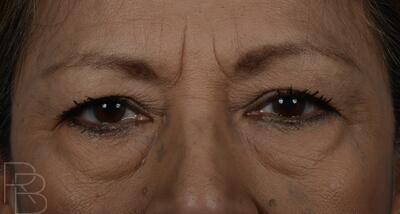 Before
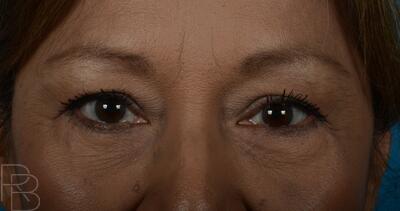 After
After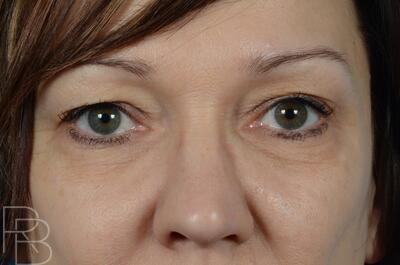 Before
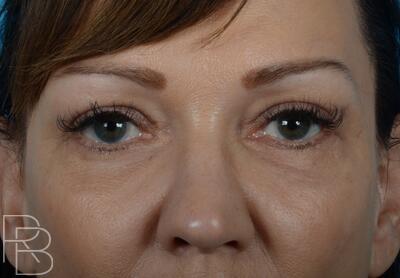 After
After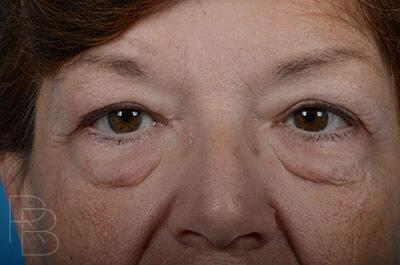 Before
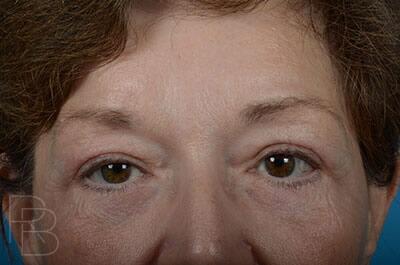 After
After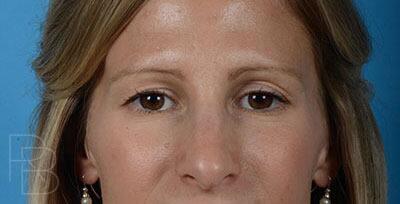 Before
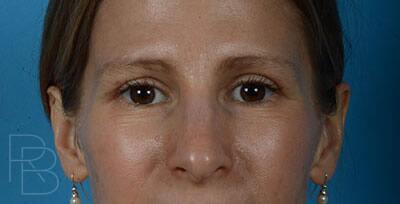 After
After Swipe To Next
RESTED EYES. RECOGNIZABLY YOU.
Upper-lid hooding and lower-lid bags can make even a well-rested face appear tired. If you are thinking about blepharoplasty in Prosper, Dr. Robert “Bo” Brobst will check your brow position, eyelid support, fat pads, skin elasticity, and how your upper and lower eyelids relate to each other. Blepharoplasty, also known as eyelid surgery or an eyelid lift, is a procedure that helps improve these concerns while keeping your appearance natural. Many Prosper patients come to his Plano office for a brighter, more refreshed look that still feels like themselves.
Swipe To Next
TREAT THE STRUCTURE CAUSING THE CONCERN
Blepharoplasty is a cosmetic eyelid surgery that removes or moves extra skin and fat around the upper and lower eyelids. It can help with hooding, under-eye bags, and blocked vision, while keeping your eyes comfortable to close and maintaining your natural eye shape. If droopy eyelids result from a weakened lifting mechanism rather than excess skin alone, ptosis repair may be included in the surgical plan. Upper eyelid surgery can help with extra skin, uneven eyelids, and limited side vision. Lower eyelid surgery targets under-eye bags, bulging fat, loose skin, and the shadowed area between your lower eyelid and cheek. Removing tissue carefully helps your eyes close comfortably and heal well.
Dr. Brobst is a dual board-certified facial plastic surgeon who focuses only on the face and neck. While advanced surgical skills are important, knowing what to leave untouched is key to keeping your eyelids looking natural. During your consultation, whether you are from Prosper, Frisco, McKinney, or anywhere in North Texas, you will get a clear explanation of what we find, your treatment options, and what to expect during recovery.
A SMALLER CHANGE WITH A VISIBLE EFFECT
A carefully planned blepharoplasty can help you look more rested and refreshed without changing your natural features. It can also improve symmetry, make you look younger, and restore side vision if extra skin is blocking your upper field of view. Most people can go back to work or social activities within seven to ten days. The results of blepharoplasty last a long time, but natural aging will still continue.
CANDIDACY BEGINS WITH AN EXAMINATION
People who are good blepharoplasty candidates often have sagging skin, extra fat, bags under their eyes, or heavy-looking upper eyelids. Your overall health, good eye function, and realistic expectations are more important than your age. At your personal blepharoplasty consultation, Dr. Brobst will go over your medical history, any past eye procedures, medications, dry-eye symptoms, skin tone, and your goals. He will also consider if a brow lift or skin treatment might be a better option for you.
UPPER LIDS, LOWER LIDS, OR BOTH
Aging affects each eyelid differently. At our practice serving patients from Prosper blepharoplasty is customized to your unique anatomy, concerns, and signs of aging rather than taking a one-size-fits-all approach.
Upper blepharoplasty treats loose skin and fullness across the upper eyelids. Surgical incisions follow the natural crease, where they become difficult to notice as healing progresses. A bilateral upper blepharoplasty may include measured skin removal, conservative fat reduction, or ptosis repair while preserving enough tissue for complete eye closure.
Lower eyelid blepharoplasty treats protruding fat pads, laxity, and excess skin beneath the eyes. Dr. Brobst may reposition excess fat when volume is needed to soften a hollow tear trough. Lower blepharoplasty can improve dark circles caused by shadowing, though pigment-related discoloration may remain.
A quad blepharoplasty addresses all four lids during one outpatient procedure. It may suit someone with visible changes across the upper and lower eyelids who wants more comprehensive rejuvenation. Dr. Brobst coordinates the corrections so the eyes look balanced rather than uniformly tightened.
A pinch technique removes a narrow strip of lower-lid skin near the lash lines without entering deeper tissue planes. It suits selected patients with good eyelid tone and mild laxity. It cannot correct prominent fat pads or significant excess skin.
MALE EYELIDS REQUIRE DIFFERENT JUDGMENT
Many men want to reduce heaviness in their eyelids but avoid a high crease or eyes that look too open. Dr. Brobst looks at brow height, eyelid shape, the muscles underneath, and how much of the upper lid shows. Raising the crease too much can make your eyes look different, so a careful, subtle approach is best.
A PLAN BUILT FROM THE EXAM
When considering blepharoplasty Prosper patients who visit Dr. Brobst’s Plano practice receive a detailed evaluation of the brows, eyelids, tear troughs, eyelid tone, and eye closure. He reviews your medical history, contact lens use, previous surgery, and prescribed eye drops. He explains which findings are structural, which involve skin quality, and which may not improve with surgery. You will also discuss visible scarring, recovery, and the degree of correction that can be achieved safely.
PREPARATION SUPPORTS A SMOOTHER RECOVERY
Your instructions will be based on your health and surgical plan. You may need to adjust blood-thinning medications and supplements with your doctor’s guidance. It’s important to stop smoking and using nicotine, as these can slow down healing.
Plan for someone to drive you home and have cold compresses or ice packs, lubricating ointment, and any prescribed eye drops ready. Sleep with your head raised and avoid wearing contact lenses during the first part of your recovery.
PRECISE SURGERY IN A FUNCTIONAL AREA
Blepharoplasty is usually an outpatient procedure performed under local anesthesia with sedation or general anesthesia. For upper eyelid blepharoplasty, Dr. Brobst places the incision within the natural eyelid crease, removes excess skin, adjusts excess fat when needed, and protects the tissue required for closure. Ptosis repair may use the same incision or an internal approach.
For lower eyelid surgery, the incision may sit below the lower lash line or behind the eyelid. External access allows treatment of loose skin and eyelid support. An internal incision suits fat-dominant cases that do not require skin removal. It may be paired with laser resurfacing or chemical peels to improve fine lines and texture. Every step is carefully planned to reduce scarring, keep your eyes comfortable, and make sure your results look natural.
THE FIRST WEEK REQUIRES PATIENCE
You can expect some swelling, bruising, tightness, and watery eyes at first. Using cold compresses, keeping your head raised, and taking medication will help you recover smoothly. Most people feel irritation or pressure, but not much pain. Dr. Brobst checks the eyes after blepharoplasty surgery and removes sutures as healing allows. Makeup commonly resumes around day ten. Dr. Brobst clears contact lenses and exercises based on eyelid position, healing, and comfort. Prosper patients should plan for postoperative visits at the Plano office. Sun exposure in North Texas can darken healing incisions. Protecting your skin and following aftercare instructions will help reduce scarring and give you the best results.
RESULTS EMERGE AS SWELLING SETTLES
You will notice a difference right away, but swelling can hide the final results at first. Over the next few weeks, your eyelid crease will look more defined, under-eye puffiness will go down, and your face will appear more refreshed. Aging will still continue naturally. Taking care of your skin, protecting it from the sun, and staying healthy can help you keep your results longer.
CLEAR DISCUSSION OF RISK IS PART OF GOOD CARE
Blepharoplasty carries surgical risk. Temporary dryness, bruising, swelling, tightness, and blurred vision from the ointment are common. Less common concerns include asymmetry, visible scarring, difficulty closing the eyes, or lower-lid malposition. Dr. Brobst will talk with you about risks that relate to your unique anatomy and medical history. Removing tissue carefully and having regular follow-up visits help ensure you heal safely.
SOME CONCERNS DO NOT REQUIRE SURGERY
Early lines, hollowing, or mild skin changes may respond to treatment without cosmetic eyelid surgery.
These options cannot remove a lot of extra skin or fix fat that has moved out of place. They work best for the specific concerns they are designed to treat.
THE BROW AND EYELID MUST BE ASSESSED TOGETHER
Concern |
Best-Suited Procedure |
Why |
Low or drooping brows |
Brow lift |
Repositions the brow when descent creates upper-eye hooding |
Excess upper eyelid skin |
Upper blepharoplasty |
Treats tissue located within the eyelid |
Under-eye bags or lower-lid laxity |
Lower blepharoplasty |
Addresses fat, skin, and support beneath the eye |
Changes in both areas |
Brow lift with blepharoplasty |
Provides comprehensive rejuvenation when brow descent and eyelid aging coexist |
A low brow can push skin into the upper eyelid and make it look like there is extra eyelid skin. If the brow is not corrected, removing eyelid skin alone may not solve the problem. If the brow is in a good position and the issue is in the eyelid, upper eyelid surgery is usually the best option. Some patients need both procedures. Dr. Brobst maps the brow-lid relationship and recommends the least extensive plan that addresses the full pattern.
COORDINATED CARE WHEN AGING EXTENDS BEYOND THE EYES
Blepharoplasty can be done along with a facelift, neck lift, brow lift, fat grafting, or skin resurfacing if aging affects more than just your eyelids. Combining procedures can give you a more complete result and shorten recovery time, but more treatment is not always better. Each added procedure should have a clear reason based on your anatomy.
PRACTICAL PREPARATION MATTERS
Be sure to follow all instructions about medication, cleansing, fasting, and transportation from our office. Only stop blood-thinning products if you are told to do so. Keep your recovery supplies nearby, make time for follow-up visits, and arrange for help on your first night after surgery. These steps will help you heal well.
FACIAL SPECIALIZATION SHAPES THE DECISION-MAKING
Patients may begin by searching for a board-certified plastic surgeon. For eyelid surgery, training focused on the face is especially relevant. Dr. Brobst is dual board-certified and limits his surgical practice to facial procedures. Dr. Brobst takes a careful and personalized approach. He looks at how your eyelids work, where volume has changed, and how much correction your tissues can handle. The most natural results come from being careful, not from removing as much skin as possible.
PRICING REFLECTS THE ANATOMY
The cost depends on how complex your anatomy is. The price can change based on whether you need upper or lower eyelid surgery, both together, ptosis repair, anesthesia, or special facility needs. Dr. Brobst will give you a detailed estimate after your exam.
As a cosmetic procedure, blepharoplasty is generally self-pay. Insurance may consider upper-lid surgery when documented excess skin limits peripheral vision, subject to the terms of the patient’s plan.
Schedule Your Consultation With Dr. Bo
If you are considering blepharoplasty in Prosper, you can meet Dr. Brobst at his Plano office for a thorough eyelid evaluation. He will find out what is causing heaviness, puffiness, or unevenness and explain what surgery can do for you. You will leave with a clear surgical plan, a realistic recovery timeline, and a good understanding of your expected results.
What Real Patients Are Saying
The eyes may look more open after excess tissue is reduced, but the procedure is planned to preserve their basic shape. A change in eyelid position is expected when ptosis or lower-lid laxity is corrected.
Blepharoplasty removes or repositions skin and fat. Laser resurfacing treats surface texture, fine lines, and mild laxity. The treatments may be combined when structural and skin concerns are both present.
Cosmetic eyelid surgery is usually not covered. A portion of upper eyelid surgery may qualify when excess skin causes a documented visual-field restriction and the insurer’s criteria are met.
Most procedures take one to three hours. A bilateral upper blepharoplasty is generally shorter than combined upper and lower eyelid surgery with additional support or ptosis repair.
Upper surgical incisions sit in the natural crease. Lower incisions may be placed behind the lid or close to the lower lash line. Scars usually soften and become difficult to notice as healing progresses.
Injectables, laser resurfacing, and chemical peels may improve early lines, hollowing, or skin texture. They cannot remove substantial loose skin or correct prominent fat pads.
Age alone does not determine candidacy. Some adults inherit heavy upper lids or under-eye bags early. Health, eyelid function, anatomy, and realistic expectations guide the recommendation.
Most patients report pressure, tightness, or irritation rather than severe pain. Medication, lubricating drops, cold compresses, and elevation usually keep the first several days manageable.
Let's Chat
We want to welcome you into our Plano office for a consultation to chat about how we can protect and preserve your beauty. We want to get to know you as a person and develop a plan that best fits your needs and lifestyle. At Brobst Facial Plastic Surgery and Aesthetics, you’re more than a patient — you’re part of our family. We want to take care of you the way family should. Schedule your consultation to get started today.
Mon - Thu: 9am - 5pm
Fri: 9am - 4:30pm
Saturday: Closed
Sunday: Closed
