Rhinoplasty Before & Afters
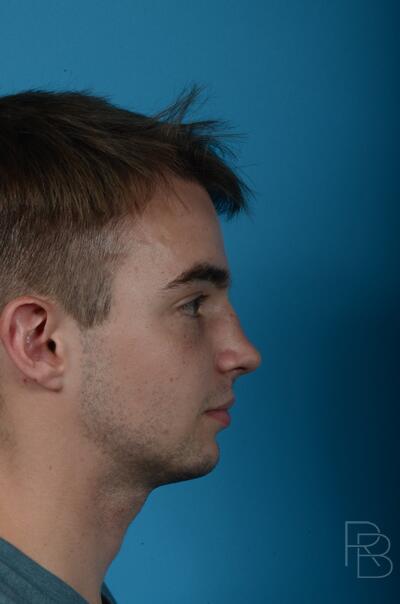 Before
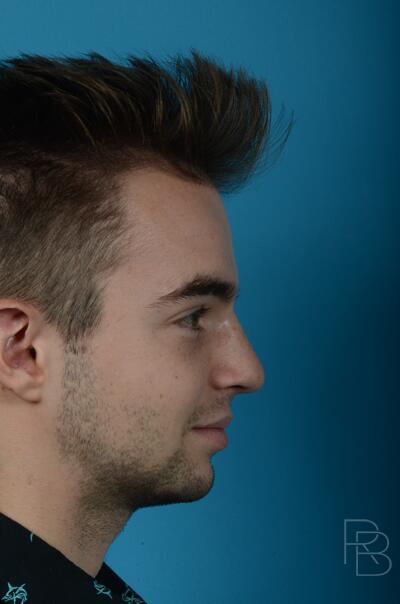 After
After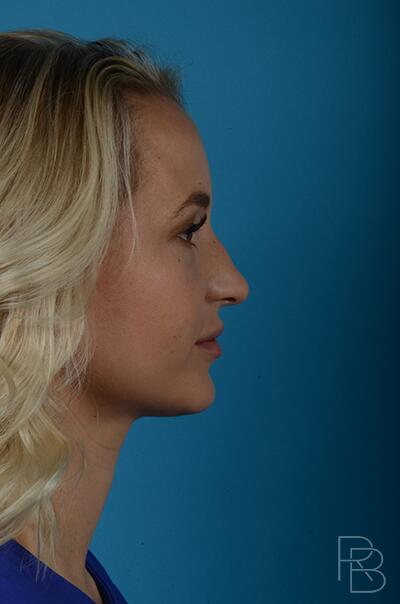 Before
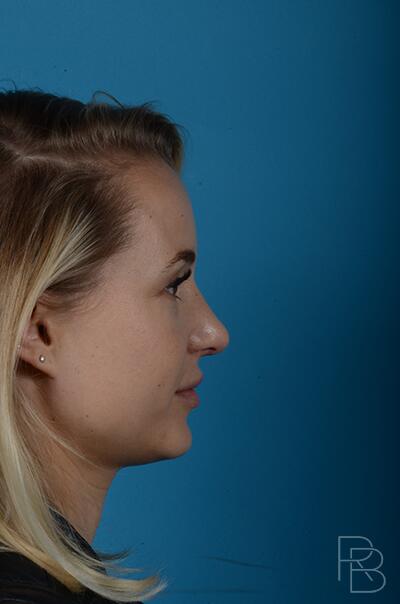 After
After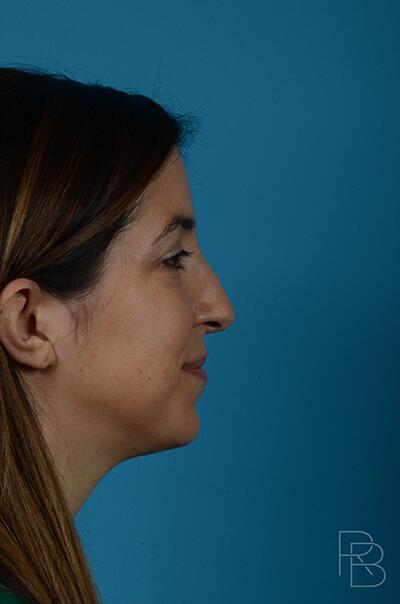 Before
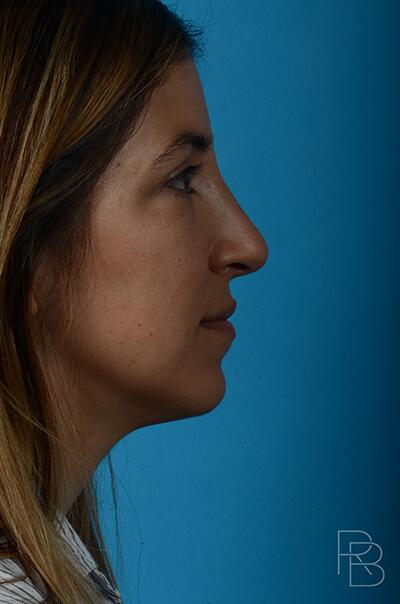 After
After Swipe To Next
A well-shaped nose can steady the whole face. When the bridge is clean and the tip is defined, the eyes read brighter and the jawline feels more assured. That’s the point of rhinoplasty in McKinney: facial harmony that looks like you on your best day, not a new person. Patients come in asking about a “nose job,” but the real conversation is about balance, breathing, and skin health. You set the aesthetic goals. We build the plan.
Swipe To Next
Balance The Frame, Not Just The Feature
The nose anchors the center line. Small changes at the nasal bridge, the tip, or the nostrils echo across the entire face. Raise a drooping tip, and the lips look more defined. Straighten a crooked bridge, and the eyes feel more aligned. Reduce the width, and the cheekbones seem crisper. This is why rhinoplasty surgery is one of the most studied procedures in facial plastic surgery. Done well, it creates natural-looking results that hold up in real life—at work, in photos, and across time. Rhinoplasty also solves practical problems. A past injury can leave the septum off-center and airflow restricted. Valve weakness can collapse with a deep breath. Addressing those mechanics during the same surgical session maintains facial harmony and restores function. Form and breath belong in the same plan.
McKinney’s “Go See Bo” Moment
Rhinoplasty rewards restraint, structure, and follow-through. Dr. Robert “Bo” Brobst is a fellowship-trained, dual board-certified plastic surgeon who focuses his practice on the face and neck. Patients make the short drive from McKinney, TX, for a steady, professional approach: careful exam, plain-English explanations, and a surgical plan that protects both appearance and airway. It’s the kind of care many patients say made them feel comfortable, felt completely heard, and confident about the whole process.
Rhinoplasty patients include healthy adults and mature teens with stable growth who want a nose that fits their facial features and lifestyle. Good candidates understand what surgery can and can’t do, have aesthetic goals grounded in proportion, and are ready to follow instructions that ensure optimal healing. People with trauma history, long-standing breathing issues, or visible asymmetries often benefit from a combined aesthetic–functional plan. Men and women seek out the procedure for the same reason: to look composed without calling attention to the work.
No Filter Required
A consult isn’t a sales pitch; it’s a working session. We review medical history, medications, allergies, and prior surgery. We study facial anatomy—skin thickness, cartilage strength, underlying bone, and the way your tissue behaves when you smile or speak. Imaging can help set expectations. We talk through route options and timing, what’s realistic for your skin type, and how your goals translate into a treatment plan. You leave knowing what we’ll perform, why it serves your face, and how recovery looks week by week.
Inside the OR
Rhinoplasty is an outpatient surgical procedure. Anesthesia is selected with safety in mind. Incisions are placed to give access without drawing attention to scars later. In an open approach, a small cut across the columella lets us lift the skin and work directly on cartilage and bone. This technique gives precision when the bridge needs straightening, the tip needs support, or internal valves need reinforcement. In a closed approach, all incisions are inside the nose—useful for select shape updates when the structure is already strong. The choice isn’t about trend; it’s about your anatomy and the changes required.
Cartilage may be reshaped, moved, or reinforced. In some cases, a small graft from the ear strengthens the tip or valves. Subtle rasping can refine the underlying bone when a hump needs softening. The aim is a clean silhouette and stable airflow. Packing is rarely our default. If nasal packing is used, it’s minimal and removed early to limit discomfort.
Refinement
The rhinoplasty procedure can refine a bulbous tip, smooth a bridge irregularity, narrow a wide nose, lift a droop, reduce nostril flare, correct a twist, and open blocked breathing. What it shouldn’t do is erase your character or fight your genetics. Faces from North Texas—from McKinney to Plano—carry a range of shapes. The goal is to create a version that feels authentic in your mirror and in your life.
The Soft Launch
Plan for a quiet first week. A small external splint protects the new shape. Swelling and bruising peak early, then fade. You’ll keep your head elevated, use cold compresses as advised, and avoid pressure on the bridge. If internal support needs removal, that happens in the clinic. Many patients return to desk work in 7–10 days; on-camera comfort often follows soon after. Exercise and contact risk wait until clearance. It takes time for the tip to refine; final results settle over months as deeper planes relax and the skin adapts. Discomfort is manageable for many patients. A dull pressure is common in the first few days. Sharp pain is uncommon and addressed quickly if it appears. Expect your upper lip to feel a bit stiff at first; normal motion returns as swelling calms. Short-term numbness can extend near the front teeth or upper lip. It fades.
Friends Notice Confidence
The best feedback is simple: “You look rested,” or “Did you change your hair?” That’s how natural beauty reads after rhinoplasty. The bridge looks clean, the tip holds shape without calling attention to itself, and the midface feels better organized. Breathing should match the look—quiet, easy, efficient. These rhinoplasty results come from cautious planning and disciplined technique, not aggressive reduction.
Cute Nose, Calm Sleep, Both
A straight line on a photo is not successful if airflow struggles in real life. If a septum leans or valves fold, we treat them while we’re there. Shoring up the internal framework protects the look you paid for and the function you rely on. Patients with trauma or chronic congestion often notice a night-and-day change in sleep and exercise once alignment returns.
Filler For Now
Fillers can disguise a small hump or lift a mild droop for the right patient. A “liquid nose job” lasts months, not years, and it doesn’t reduce size or improve airway. It can be useful for a test-drive or a brief event window. We’ll be candid if non-surgical procedures help or if you’re past the point where injectables make sense.
Fix The Frame, Not Just Center
Faces are ecosystems. Sometimes the cleanest rhinoplasty outcome comes from pairing it with another focused move. Subtle chin augmentation or neck contouring can steady a profile without heavy changes to the nose. The point is balance across the entire body of the face—top, middle, and lower thirds working together. This is also where we remind patients that the logic of proportion applies across plastic surgery. People may think of breast augmentation or a tummy tuck when they hear “cosmetic,” but for the face, the nose does more to calm the composition than any single move.
Months Of Micro-Changes, Worth It
Scar placement is discreet. The tiny columellar line fades to a thin, pale mark most people never notice. Internal cuts hide in the nostrils. Expect a year of small, steady changes as swelling retreats and the tip reaches its final contour. It’s normal to wait out a few irregularities; the healing phase is active under the skin even when the mirror looks settled.
Risks And Safeguards
All surgery carries risk. Bleeding, infection, poor wound healing, asymmetry, or need for revision are possible but uncommon with careful planning and follow-up. Choosing a rhinoplasty surgeon who respects structure and keeps lengths modest lowers those odds. We monitor closely and give detailed instructions that protect the work you did to get here.
Cost And Practical Notes
Pricing reflects complexity, time in the OR, anesthesia, and facility. If structural work improves breathing, parts of the operation may be classified as functional. Cosmetic changes remain elective. You’ll see a full estimate at your consultation so you can plan without surprises. We talk through time off, support at home, and the simple logistics that keep the recovery steady.
Why Patients Choose Rhinoplasty In McKinney
People from Stonebridge Ranch, Craig Ranch, and Adriatica Village want smart work, not flash. They value a surgeon who listens, answers all my questions, and doesn’t oversell. They want a team and office staff that keeps the day calm and the details tight. They expect natural results that make them feel confident in the room and on camera. That’s the lane here—professional care, measured plans, and results that age well.
Once facial growth is stable, most adults and select teens are eligible. We assess age, maturity, goals, and anatomy before moving forward.
We avoid heavy nasal packing when possible. If used, it’s light and removed early for comfort.
Plan one quiet week. Swelling improves quickly; the tip takes longer. Most patients are public-facing in 7–10 days, with the final results refining over months.
Expect pressure more than sharp pain. We manage discomfort proactively and check in often.
Incisions are small and placed with care. The external line softens into a fine track; internal cuts are hidden.
Yes. Addressing septum alignment and valve strength during the same operation protects both the look and the function.
Yes. Men and women seek proportion and better airflow for the same reasons. Gender doesn’t dictate the plan; your face does.
Old trauma is common. We account for scar tissue, cartilage memory, and underlying bone shifts when crafting the plan.
Let's Chat
We want to welcome you into our Plano office for a consultation to chat about how we can protect and preserve your beauty. We want to get to know you as a person and develop a plan that best fits your needs and lifestyle. At Brobst Facial Plastic Surgery and Aesthetics, you’re more than a patient — you’re part of our family. We want to take care of you the way family should. Schedule your consultation to get started today.
Mon - Thu: 9am - 5pm
Fri: 9am - 4:30pm
Saturday: Closed
Sunday: Closed
