Blepharoplasty Before & Afters
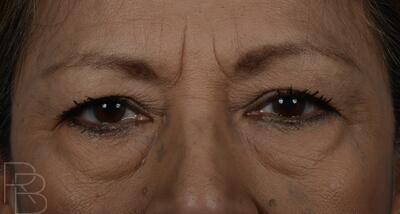 Before
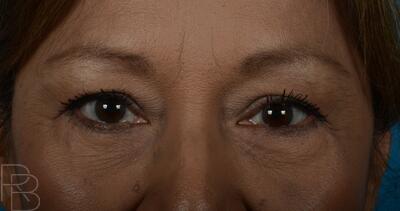 After
After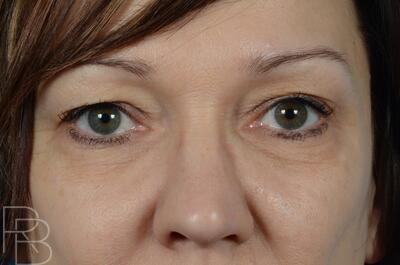 Before
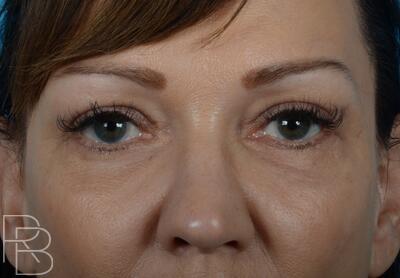 After
After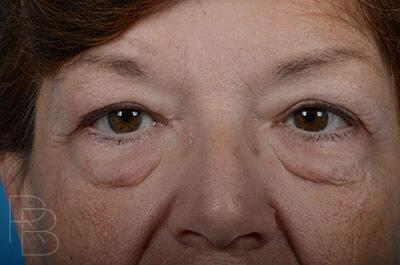 Before
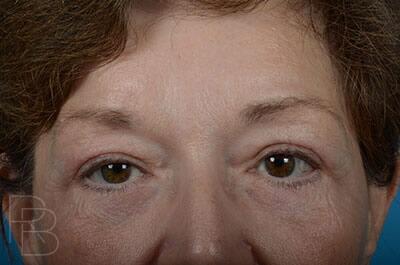 After
After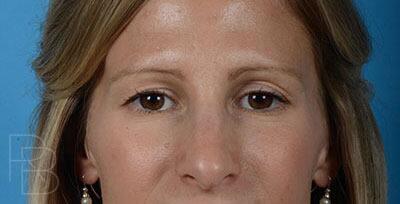 Before
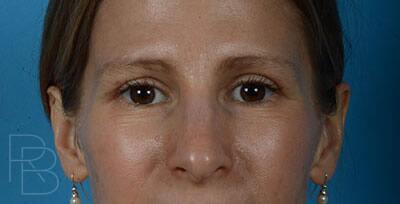 After
After Swipe To Next
Refreshed Eyes, Naturally
Your eyes can show more than you might expect. Even if you feel well-rested and energetic, loose eyelid skin, puffiness, or under-eye bags may make you look tired or older. If you are thinking about blepharoplasty in Flower Mound, Dr. Robert “Bo” Brobst provides a personalized approach to help your eyes appear brighter, more open, and naturally refreshed.
Swipe To Next
Bring New Energy to Your Eyes
Blepharoplasty, or eyelid surgery, treats visible changes around the upper or lower eyelids. The skin here is delicate, so the eyes often show aging before other areas of the face. By removing extra skin, adjusting fat, or improving eyelid position, surgery can help you look more rested while keeping your eyes’ unique features. Upper eyelid procedures typically focus on redundant skin, unwanted fullness, and, when appropriate, eyelid drooping known as ptosis. A low brow position may also contribute to heaviness and can be evaluated at the same time. Lower eyelid treatment can smooth fat pockets, reduce under-eye shadows, improve the area under the eyes, or gently remove loose skin. The goal is not to change how your eyes look, but to help them appear smoother and more alert while keeping their natural look.
Dr. Brobst is a board-certified facial plastic surgeon who believes that great care starts with listening. He combines skill and attention to detail with a friendly, welcoming approach. He also keeps learning from other experts and stays up to date with new techniques in facial plastic and reconstructive surgery. If you are interested in eyelid surgery near Flower Mound, you can start by scheduling a consultation with Dr. Bo. At your visit, you can talk about the changes you have noticed and find out which surgical or non-surgical options could help your eyes look more refreshed.
Open Your Eyes to the Possibilities
Blepharoplasty can make your eyes look brighter, smoother, and more rested. If extra upper eyelid skin blocks your side vision, surgery can also help you see better. Other benefits may include more even eyelids, less puffiness, and a more open look. People may think about eyelid surgery because of genetics, aging skin, noticeable fat pockets, or changes in eyelid position. Both women and men can benefit from this procedure. Results usually last a long time, but your face and eyelids will still age naturally. Potential benefits include:
THE RIGHT APPROACH FOR YOU
You might be a good candidate if loose skin, heavy eyelids, puffiness, or under-eye bags make you look more tired than you feel. It’s important to be in good health and have realistic expectations about what eyelid surgery can do. Not every eye concern needs surgery, and blepharoplasty is not always the best option for everyone. In your personal consultation, Dr. Brobst will check your eyelids, brow position, eye health, medical history, and goals before suggesting a treatment plan.
Individual Options for the Upper Lids, Lower Lids, or Both
Eyelids age differently for everyone. Some people get extra skin on the upper lids, while others notice bags, fine lines, or hollowness under the eyes. Dr. Brobst tailors each procedure to your anatomy and the changes you want to address.
Extra skin on the upper eyelids can make your eyes look heavy and, in some cases, block part of your vision. Upper blepharoplasty removes the right amount of extra skin and shapes the eyelid. This can help your eyes look more open and make it easier to apply makeup. If the eyelid itself has dropped, upper blepharoplasty may be combined with ptosis correction to improve its position.
Puffiness, bags, and shadows under the lower eyelids often happen when fat becomes more noticeable, or the tissues loosen. Lower blepharoplasty can remove or move this fat and may also gently remove extra skin. The goal is to smooth the area under your eyes without making it look hollow, too tight, or unnatural.
If aging affects both your upper and lower eyelids, a quad blepharoplasty treats all four lids in one surgery. This approach can refresh your whole eye area and keep the results balanced. Recovery is usually similar to surgery on a smaller area, but your experience may vary depending on the techniques used.
A pinch blepharoplasty may be right for people with mild or moderate loose skin on the lower eyelids, good eyelid support, and little or no extra fat. Dr. Brobst removes a thin strip of skin near the lash line without going deeper into the tissues. This gentle technique can be combined with skin resurfacing to improve fine lines and texture while keeping the natural shape of the lower eyelid.
A Rested Look That Still Feels Masculine
Many men ask for blepharoplasty, but eyelid surgery for men needs special planning. Taking out too much tissue or changing the eyelid shape too much can make the results look unnatural or too feminine. Dr. Brobst plans male blepharoplasty based on your natural features. The treatment can reduce heaviness, unevenness, or a tired look while keeping a strong, natural eyelid shape. The main goal is to help you look more rested without it being obvious you had surgery.
A Conversation Centered on You
During your consultation, Dr. Brobst will listen to your concerns and what you want to change. He will review your health history, check your eyes and face, and talk with you about whether blepharoplasty is a safe and suitable choice. Learning about your options is an important part of the process. Dr. Brobst will explain what surgery can do, talk about other options, and answer your questions without any pressure. If eyelid surgery is right for you, he will make a plan that fits your anatomy, health, lifestyle, and goals.
Plan Ahead for an Easier Recovery
Before surgery, you will receive instructions tailored to your procedure and medical history. Certain medications and supplements can increase bleeding, including aspirin, nonsteroidal anti-inflammatory drugs, fish oil, and vitamin E. Dr. Brobst will tell you which products should be paused and when it is safe to resume them. Do not stop prescribed medication without guidance from the appropriate medical provider.
Nicotine interferes with circulation and healing, so patients who smoke or use nicotine products will need to stop before and after surgery according to Dr. Brobst’s instructions. You will need someone you trust to drive you home and stay with you the first night. Setting up a comfortable recovery space ahead of time can make the first days easier. Useful items include cool compresses, eye drops, soft lighting, and easy-to-prepare meals.
Precisely Planned Eyelid Rejuvenation
Flower Mound blepharoplasty patients undergo surgery at our practice’s Plano location. Depending on the areas being treated and the complexity of the operation, surgery may be performed with local anesthesia, sedation, or general anesthesia. For upper blepharoplasty, the incision is usually concealed within the natural eyelid crease. Through this placement, Dr. Brobst can address excess skin and unwanted fullness. Ptosis may also be corrected when the position of the upper eyelid contributes to the concern.
Lower eyelid surgery can use either an internal or external incision. An external approach may be selected when loose skin, prominent fat, or eyelid laxity requires correction. An internal incision is often appropriate when a fat pocket is the primary issue and excess skin is limited. Internal lower blepharoplasty may be combined with laser resurfacing or chemical peels to improve mild skin laxity, texture, or fine lines. A pronounced tear trough may be treated by repositioning existing fat or adding fat grafting when appropriate. During surgery, Dr. Brobst pays close attention to balance, gentle tissue handling, and keeping your eyelids working normally. After the procedure, ointment and cooling packs are used. When you are awake, comfortable, and ready, you can go home with your support person.
Support Through Every Stage of Healing
Dr. Brobst typically evaluates the eyes the morning after surgery to confirm that healing has begun as expected. He may remove a suture at that visit and will review your at-home care. It’s normal to have swelling and bruising early in recovery. Cool compresses, keeping your head up, gentle movement, eye drops, and ointment can help you feel better. Most people feel pressure, tightness, or mild discomfort instead of real pain. Stitches are usually removed in the first week, and most bruising and swelling get better during that time. Most patients can start wearing eye makeup again after about 10 days and get back to normal activities in about two weeks. You should avoid heavy lifting and hard exercise until Dr. Brobst says it’s safe. Contact lenses can often be resumed around the two-week point unless surgery included correction of lower eyelid position. Patients traveling from outside the immediate area should plan to remain nearby for approximately one week. Residual swelling may continue to settle over the first month.
Naturally Brighter Eyes
You might see changes soon after surgery, but the final result will become clearer as swelling goes down and your tissues heal. Your eyes should slowly look more open, rested, and alert, while still matching the rest of your face. Follow-up visits let Dr. Brobst check your recovery and answer any questions you have. The team is there for you throughout your healing, because care continues after surgery. Schedule a consultation to meet Dr. Bo and find out how eyelid surgery could help you.
Understanding Risk and Reducing It Thoughtfully
Every surgery has some risks. After blepharoplasty, it’s common to have temporary swelling, bruising, irritation, or dryness. Less common problems can include infection, bleeding, uneven eyelids, longer-lasting swelling, visible scars, changes in eyelid position, trouble closing your eyes, or ongoing dryness. Careful exams, planning, precise surgery, and close follow-up help lower these risks. During your consultation, Dr. Brobst will explain the considerations that apply to your anatomy, eye health, medical history, and proposed treatment. You will have the opportunity to ask questions before deciding whether surgery is right for you.
Options When Surgery Is Not the Right Step Yet
If you have early signs of aging or are not ready for surgery, non-surgical treatments may help.
These treatments cannot remove a lot of extra skin or give the same results as surgery. Still, they can help the right patient or be used along with future blepharoplasty.
Similar Concerns, Different Solutions
Dr. Brobst typically evaluates the eyes the morning after surgery to confirm that healing has begun as expected. He may remove a suture at that visit and will review your at-home care. It’s normal to have swelling and bruising early in recovery. Cool compresses, keeping your head up, gentle movement, eye drops, and ointment can help you feel better. Most people feel pressure, tightness, or mild discomfort instead of real pain. Stitches are usually removed in the first week, and most bruising and swelling get better during that time. Most patients can start wearing eye makeup again after about 10 days and get back to normal activities in about two weeks. You should avoid heavy lifting and hard exercise until Dr. Brobst says it’s safe. Contact lenses can often be resumed around the two-week point unless surgery included correction of lower eyelid position. Patients traveling from outside the immediate area should plan to remain nearby for approximately one week. Residual swelling may continue to settle over the first month.
Concern |
Treatment Commonly Considered |
Why It May Help |
Low or drooping eyebrows |
Brow Lift |
Repositions the brows and reduces hooding caused by brow descent |
Excess upper eyelid skin or puffiness |
Upper Blepharoplasty |
Removes appropriate amounts of redundant skin or prominent fat |
Under-eye bags and lower-eyelid laxity |
Lower Blepharoplasty |
Treats protruding fat, puffiness, and loose lower-lid skin |
Both brow descent and eyelid aging |
Brow Lift + Blepharoplasty |
Addresses the brow and eyelids together for a more balanced upper-face result |
The right procedure depends on where the heaviness starts. If your eyebrows have dropped and push tissue toward your eyes, a brow lift may help most. If your brows are in a good spot and the problem is with eyelid skin, fat, or wrinkles, blepharoplasty may be the answer. Some people have changes in both areas. In these cases, a brow lift can raise the brows, and blepharoplasty can improve the eyelids. Dr. Brobst will look at your whole upper face and explain which option or combination is best for you.
When Eyelid Surgery Is Part of a Larger Plan
Since aging affects more than just the eyelids, blepharoplasty can be combined with other procedures if it helps you reach your goals. Common combinations include:
Combining procedures lets you address several concerns in one surgery and recovery period. It can also lower the need for repeated anesthesia and extra costs. Dr. Brobst only suggests combined treatments when they make sense for your health and appearance.
Ready For A More Rested Look
Getting ready starts with a full review of your health history, medications, eye symptoms, and what you want to achieve. Dr. Brobst will check your eyelids and nearby areas to see if you are a good candidate. At your appointment, he will explain the procedure in simple terms and make sure you know your options. If blepharoplasty is right for you, your surgery and recovery plan will be tailored to your anatomy, health, and goals.
Experience With A Personal Touch
Dr. Brobst has years of training in facial plastic surgery, uses careful techniques, and understands how to create natural balance. His goal is not to give everyone the same result, but to make improvements that fit your face and leave your eyes looking refreshed, not operated on. Patients from Flower Mound get caring support from the first consultation through recovery. Dr. Bo and his team answer your questions, help you know what to expect, and stay involved as you heal. The experience is personal, honest, and focused on what’s best for you.
An Investment In Yourself
The cost of blepharoplasty depends on the details of your procedure. Treating just the upper eyelids costs differently than lower eyelid surgery or surgery on all four lids. Anesthesia, how complex the surgery is, and any extra treatments also affect the price.
After your exam, Dr. Brobst will give you a personalized cost estimate and explain all the fees. Health insurance usually does not cover cosmetic eyelid surgery. If extra upper eyelid skin blocks your vision and this is documented, your insurance may cover part of the cost in some cases. Check with your insurer to see if you qualify and what is needed. Flexible payment options are available for those who qualify.
Schedule Your Consultation With Dr. Bo Today
We invite patients from Flower Mound to visit our Plano office for a relaxed conversation about your eyes, goals, and treatment options. Dr. Bo will take time to get to know you and suggest a plan that fits your anatomy, health, lifestyle, and comfort. At Brobst Facial Plastic Surgery and Aesthetics, you are treated as more than just a procedure. You join a practice that values honest advice, natural results, and long-term care.
Schedule your consultation to begin the conversation.
What Real Patients Are Saying
The eyes may appear larger or more open after excess skin and puffiness are reduced, but blepharoplasty is not normally intended to change their fundamental shape. Eyelid position may be adjusted when Dr. Brobst is correcting upper-lid ptosis or lower-lid laxity or malposition.
Blepharoplasty removes or repositions skin and fat to correct structural concerns. Laser resurfacing can improve texture, fine lines, and a limited degree of skin laxity, but it cannot remove a significant fold of excess eyelid skin. The treatments may be performed separately or combined when their benefits complement one another. A chemical peel may also be considered for certain skin-quality concerns.
Insurance may provide coverage when upper eyelid skin causes a medically documented visual obstruction, and the plan’s requirements are met. Surgery performed only for cosmetic improvement is generally not covered. Contact your insurance provider for information about benefits, testing, and authorization.
Blepharoplasty usually takes approximately one to three hours. The exact time depends on whether Dr. Brobst is treating the upper eyelids, lower eyelids, or all four lids, as well as the techniques required.
Upper-eyelid incisions are generally placed within the natural crease. Lower-eyelid incisions may be positioned inside the lid or just beneath the lash line. These locations help conceal the scars, which typically become less visible as they mature.
Botox, dermal fillers, laser resurfacing, and chemical peels may improve selected early signs of aging. These treatments cannot remove substantial loose skin or prominent fat. When structural changes are more advanced, surgery may provide a more complete correction.
There is no single ideal age. Genetics may cause some patients to consider eyelid surgery in their 30s or 40s, while others do not need it until their 50s, 60s, or later. Overall health, eye health, anatomy, and realistic goals matter more than the number on your birthday.
Most patients report mild discomfort, tightness, or pressure rather than significant pain. Medication, cooling packs, lubrication, and careful aftercare can help keep the early recovery manageable.
Let's Chat
We want to welcome you into our Plano office for a consultation to chat about how we can protect and preserve your beauty. We want to get to know you as a person and develop a plan that best fits your needs and lifestyle. At Brobst Facial Plastic Surgery and Aesthetics, you’re more than a patient — you’re part of our family. We want to take care of you the way family should. Schedule your consultation to get started today.
Mon - Thu: 9am - 5pm
Fri: 9am - 4:30pm
Saturday: Closed
Sunday: Closed
